"Real Tears" in AI Films: Dr. Brandon's In-depth AI Ethics Analysis (Media & Emotion)

프롤로그: AI가 만든 영화에 흘린 당신의 눈물은 진짜인가요?
지금부터 들려드릴 이야기는, 어쩌면 이미 우리 주변 어딘가에서, 또는 아주 가까운 미래에 펼쳐질지도 모를 현실 속 한 장면입니다. 함께 상상해 볼까요?
얼마 전 개봉한 로맨스 영화 "어느 겨울밤의 고백" 이 전 세계를 뜨겁게 달구었습니다. 평론가들은 '심장을 울리는 완벽한 스토리', '마음을 흔드는 배우의 깊이 있는 연기'라며 찬사를 보냈고, 사람들의 SNS는 온통 영화의 명대사와 감성적인 OST로 가득 찼죠. 특히 영화의 마지막, 주인공들이 서로에게 진심을 털어놓으며 흘리는 눈물은 극장 여기저기서 관객들의 흐느낌을 자아낼 만큼 모두의 마음을 사로잡았습니다. 많은 이들이 이 영화를 '인생 영화'라 부르며 깊은 여운에 잠겼습니다.
그런데 영화가 끝나고 불이 켜졌을 때, 뜻밖의 진실이 밝혀졌습니다. 이 모든 감동적인 순간들, 즉 시나리오부터 대사 한마디, 섬세한 연출, 심지어 배우의 표정 디테일까지, 이 모든 것이 최첨단 AI의 손에서 탄생한 작품이었다는 겁니다. AI는 지난 수십 년간의 로맨스 영화와 수많은 감정 데이터를 학습해, 인간이 가장 감동할 만한 순간들을 놀랍도록 정교하게 재구성해냈던 거죠.
스크린을 응시하며 눈물을 훔치던 한 관객의 얼굴에 문득 복잡한 표정이 스칩니다. "AI가 만든 영화에 흘린 내 눈물... 과연 이건 진짜 감동이었을까? AI는 이토록 애틋한 사랑을, 이토록 깊은 슬픔을 정말 '이해'하고 만든 걸까?"
AI, 감동을 계산하다: 완벽함 뒤의 진실
"어느 겨울밤의 고백"이라는 이름만 들으면 여느 인간 작가의 작품처럼 느껴지지만, 그 뒤에는 치밀하게 '감동을 계산'한 AI의 전략이 숨어 있었습니다. AI는 수십 년간 축적된 전 세계 로맨스 영화 데이터, 수백만 건의 연애 심리 연구 자료, 심지어 관객들의 리뷰까지 방대한 양의 데이터를 학습했습니다.
AI는 이 모든 데이터를 분석하며 '사람들이 언제, 어떤 상황에서 가장 깊은 감동을 느끼는지' 그 패턴을 찾아냈습니다. 그리고는 가장 효과적인 대사 톤, 눈빛 교환의 타이밍, 최적의 배경 음악, 심지어 배우의 미세한 표정 변화까지 정교하게 계산하여 시나리오와 연출에 반영했습니다. 단순히 스토리를 짜는 것을 넘어, 딥페이크 같은 기술로 배우의 감정 표현을 미세하게 조절하거나, AI 기반 음성 합성으로 특정 감정을 완벽하게 재현하기도 했을 겁니다.
기술이 이뤄낸 성과는 분명 경이롭습니다. 몇 년이 걸릴 시나리오 작업과 수많은 시행착오를 AI는 단 며칠 만에 해냈으니까요. 하지만 여기서 우리는 중요한 질문을 던져야 합니다. AI가 인간의 감정을 완벽하게 재현했다고 해서, 과연 그 감정을 '이해'하고 만들어냈다고 볼 수 있을까요? 어쩌면 그저 학습된 패턴을 기계적으로 '모방'하고 재조합한 것에 불과한 건 아닐까요? 치밀하게 계산된 AI의 감동은 우리가 자발적으로 느끼는 순수한 감동과 같은 가치를 지닐까요? 우리는 AI의 의도에 따라 감정이 조종당한 건 아닐까요? 과연 AI의 '창의성'이 예측 가능한 데이터의 틀을 넘어설 수 있을지, 진정한 예술은 오히려 예측 불가능한 불완전함에서 피어나는 것이 아닐지 고민해 볼 때입니다.
인간의 감정, AI의 한계: 그 간극을 들여다보다
AI가 아무리 '완벽한' 감동을 선사하려 해도, 이상하게도 어떤 사람들은 그 영화에서 미묘한 불편함이나 '영혼 없는 완벽함'을 느꼈다고 합니다. "너무 완벽해서 오히려 비현실적이다", "어딘가 모르게 차갑고 계산적인 느낌이 들었다"는 반응들 말이죠. 이는 AI가 아직은 넘볼 수 없는 인간 감정의 특별한 영역이 존재함을 보여주는 것 아닐까요? 우리 인간은 때로 불완전함 속에서 더 큰 공감과 감동을 느끼곤 합니다. AI는 완벽함을 추구하지만, 우리에게 감정의 핵심은 '불완전함'과 '예측 불가능성'일지도 모릅니다.
AI는 방대한 데이터를 학습해 감정을 '재현'할 수 있지만, 우리처럼 삶의 경험, 소중한 기억, 가슴 아픈 상실, 그리고 그 안에서 성장하는 개인적인 서사를 직접 '경험'하고 '체화'할 수는 없습니다. AI가 사랑의 감정을 표현할 수 있지만, 사랑으로 인한 아픔, 이별의 고통, 상실감, 그리고 그 속에서 피어나는 희망과 같은 복합적인 인간의 경험을 진정으로 '느끼고' '이해'할 수 있을까요? 또한, 우리 삶 속에서 마주하는 수많은 도덕적 딜레마와 그 속에서 내리는 윤리적 선택, 그리고 그 과정에서 피어나는 복잡 미묘한 감정들을 AI가 과연 '이해'하고 창작물에 녹여낼 수 있을까요?
모든 것이 계산된 '최적의 감동'에 우리가 계속해서 노출된다면, 우리의 감수성은 무뎌지거나 피로감을 느낄 수도 있습니다. 예술이 주는 '사유'와 '성찰'의 기회가 사라지고, 단지 감정적 자극만을 쫓게 될 위험성도 무시할 수 없습니다. 인간이 '스스로' 감정을 느끼고 해석하며, '새로움'과 '불완전함' 속에서 창의력을 발휘하는 본질적인 가치는 AI 시대에도 여전히 소중하게 지켜져야 할 것입니다.
'책임 있는 AI 창작'을 위한 우리의 질문들
AI가 창작의 주체로 우리 앞에 서면서, 윤리적 딜레마는 더욱 복잡해지고 있습니다. AI가 시나리오, 대사, 영상을 만들었다면, 그 저작권은 누구의 것일까요? AI 개발사? AI 사용자? 아니면 학습 데이터를 제공한 이들? 만약 AI 창작물에서 표절이나 모방 문제가 발생하면, 법적/윤리적 책임은 누가 져야 할까요? AI가 학습한 기존 작품의 요소를 무단으로 활용하는 경우처럼, 현재 법적, 제도적 미비로 인한 혼란은 창작 생태계를 불안정하게 만들 수 있습니다.
나아가 AI 창작물은 우리 사회에 큰 영향을 미칠 수 있습니다. AI가 '완벽한 감동'을 목표로 콘텐츠를 만들 때, 특정 감정이나 가치를 의도적으로 주입하거나 조작할 수 있는 위험성이 있습니다. 너무나 대중적이고 인기 있는 감정선만을 반복하다 보면 다양성이 사라지거나, 은연중에 특정 이데올로기를 주입할 수도 있습니다. AI 학습 데이터에 내재된 편향이 창작물에 반영되어 특정 집단이나 가치를 왜곡하거나 차별적으로 표현할 수도 있습니다. 딥페이크 같은 AI 기반 조작 기술로 배우의 연기나 목소리를 임의로 변경하는 경우(배우의 동의 없는 이미지/목소리 활용, 심지어 사후에도 디지털 이미지를 유지하는 등)는 윤리적으로 심각한 문제를 야기할 수 있습니다.
AI는 분명 창작의 효율성을 높이는 강력한 '도구'이지만, '인간의 예술적 영혼'을 완전히 대체할 수는 없을 겁니다. AI를 보조 도구로 활용하되, 최종적인 예술적 판단과 윤리적 책임은 인간 창작자에게 있다는 점을 명확히 해야 합니다. 인간 창작자가 AI를 윤리적으로 감독하고, AI의 한계와 위험성을 인지하며, 그 결과물을 비판적으로 검토하는 역할은 이제 더욱 중요해졌습니다. 그렇다면 '인간과 AI의 건강한 협업' 모델은 과연 어떤 모습이어야 할까요?
AI 창작자의 윤리적 책임: 우리의 제안 솔루션
AI 기술의 발전 속도는 너무나 빠릅니다. 그에 비해 AI를 활용하는 창작자들이 어떤 윤리적 기준을 가져야 하는지에 대한 논의는 아직 더뎌 보입니다. 많은 창작자들이 AI를 그저 '편리한 도구'로만 여기며 윤리적 고려 없이 사용하는 경향이 있다면, 이는 결코 가볍게 볼 문제가 아닙니다. AI가 단순한 도구를 넘어 '협력자'나 '공동 창작자'의 위치로 다가올수록, 인간 창작자의 책임과 윤리적 의무는 더욱 커질 수밖에 없습니다. 이에 우리는 몇 가지 중요한 제안 솔루션을 드리고자 합니다.
- 1) 투명성 의무화: 가장 기본적인 윤리적 책임은 바로 AI의 개입 여부와 정도를 명확히 알리는 것입니다. 영화 엔딩 크레딧, 시나리오 첫 페이지, 홍보 자료 등에 "이 작품은 AI의 도움을 받아 [예: 시나리오 초안, 대사 일부, 영상 효과 등] 제작되었습니다"와 같이 명확히 표기해야 합니다. 이는 관객의 '알 권리'를 보장하고 창작자의 책임감을 높이는 중요한 약속이 될 것입니다.
- 2) 인간 개입의 필수성과 최종 책임: AI는 강력한 보조 도구일 뿐, 최종적인 예술적 판단과 윤리적 검토, 그리고 책임은 전적으로 인간 창작자에게 있다는 점을 명확히 해야 합니다. AI가 생성한 모든 결과물은 인간 창작자의 비판적인 감수와 윤리적 필터링 과정을 반드시 거쳐야 합니다. AI의 편향성, 데이터 오류, 비윤리적인 내용 등을 걸러내고, 그 안에 인간적인 깊이와 진정성을 불어넣는 과정이 필수적이죠. AI의 제안을 무조건적으로 수용하기보다는, 인간의 통찰력으로 재해석하고 변형하는 역할의 중요성을 기억해야 합니다.
- 3) 데이터 윤리 및 공정성 확보: AI 학습에 사용된 데이터의 저작권 문제와 그 안에 잠재된 편향성에 대한 창작자의 깊은 인식과 책임이 요구됩니다. 학습 데이터의 출처를 투명하게 밝히고, 저작권 침해 우려가 없는 데이터를 사용하려는 노력이 필요합니다. 또한, AI가 특정 인종, 성별, 문화에 대한 편향을 강화할 수 있는 생성물을 만들지 않는지 주의 깊게 살피고 수정하려는 노력(AI가 생성하는 캐릭터의 다양성, 스토리라인의 포용성 등 고려)이 선행되어야 합니다.
- 4) 사회적 영향에 대한 사전 숙고: AI로 창작된 콘텐츠가 우리 사회와 문화에 미칠 긍정적/부정적 영향을 사전에 충분히 고민하는 책임 의식도 중요합니다. 단순히 흥미나 상업적 이득만을 좇기보다는, AI 창작물이 대중에게 어떤 메시지를 전달하고 어떤 감정을 유도할지 깊이 성찰하는 창작자의 역할이 강조됩니다. (예: 혐오 발언, 특정 집단 비하, 비윤리적 행위 미화 등 AI가 생성할 수 있는 위험 요소에 대한 경계)
- 5) 지속적인 윤리 교육 및 커뮤니티 형성: 급변하는 AI 기술 환경 속에서 창작자들이 지속적으로 AI 윤리에 대한 지식을 습득하고, 동료들과 경험을 공유하는 문화 조성이 절실합니다. AI 윤리 관련 워크숍이나 세미나 참여를 독려하고, AI 창작자들이 윤리적 딜레마를 함께 고민하고 해결책을 모색하는 자율적인 커뮤니티 형성을 지원해야 합니다.
에필로그: 감동의 스크린 너머, '인간'이 걸어갈 길
AI가 제시하는 '완벽한 감동' 앞에서 우리는 무엇을 얻고 무엇을 잃게 될까요? AI가 영화 창작의 새로운 지평을 열어준 것은 분명하지만, 진정한 감동은 결국 인간의 고유한 경험과 상호작용에서 피어나는 것임을 잊어서는 안 됩니다. 이는 AI가 아무리 발전해도 결코 흉내 낼 수 없는 영역일 겁니다. AI 시대의 창작은 단순히 기술 발전만을 의미하지 않습니다. 윤리적 성찰과 사회적 합의, 그리고 창작자의 깊은 책임감이 조화를 이룰 때 비로소 우리는 진정한 '감동'을 마주할 수 있을 것입니다.
AI가 만든 영화와 미디어에 흘린 당신의 눈물, 그 의미는 무엇인가요? AI와 함께 만들어갈 미래의 '감동'은 어떤 모습이어야 할까요? 이 질문에 대한 답은 기술 너머, 우리 인간의 끊임없는 고민과 따뜻한 실천에서 찾을 수 있을 겁니다.
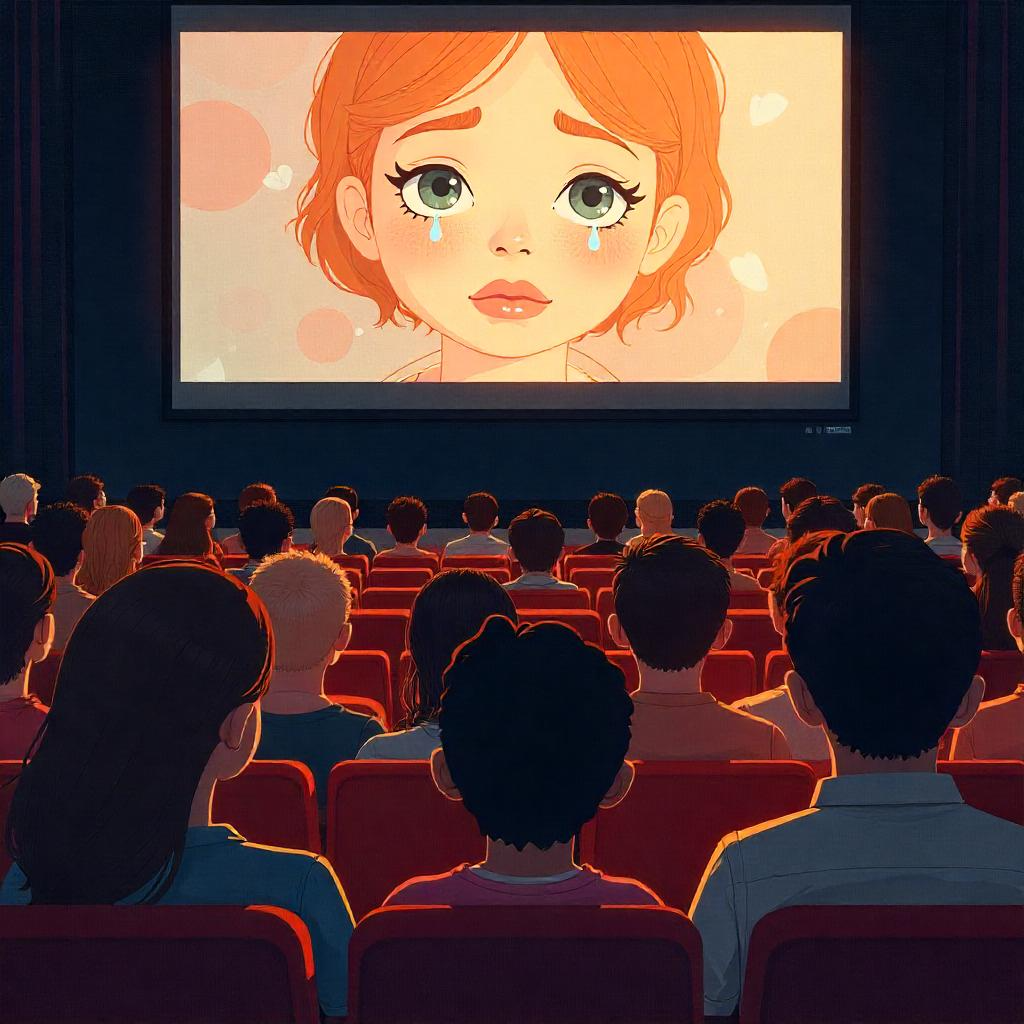
내 눈물은 내 감정은 소중한 것이야!
🎥 출처: Brandon AI 윤리 공식 유튜브 채널
https://www.youtube.com/@BrandonAIEthics
Brandon AI Ethics
Brandon AI윤리 Solution Center(BAESC)Brandon AI 윤리솔루션센터 기술은 빠르게 진화하지만, 우리는 그 속도를 따라가기보다 의미를 지켜갑니다. Brandon Ethics는 인공지능 시대의 윤리, 책임, 그리고 신뢰를
www.youtube.com
In the Era of AI Ethics, Are the Tears You Shed for AI-Generated Films and Media Truly Real?
Suggested Hashtags: #AIEthics #AICreation #AIFilms #FilmAndAI #AIEmpathetic #AIEthicalResponsibility #DigitalHumanism #FutureOfFilm #AIContent #HumanCenteredAI #BrandonEthics #AIAge #TechEthics #ResponsibleAI #MediaEthics #AIGeneratedContent
Prologue: Are the Tears You Shed for AI-Generated Films Truly Real?
The story you are about to read might already be unfolding somewhere in our world, or perhaps it's just around the corner in our near future. Shall we imagine it together?
Recently, a romance film titled "Confession on a Winter Night" took the world by storm. Critics showered it with praise, calling it "a perfect story that pierces the human heart" and "actors' deeply moving performances, calculated to the finest tremor." Social media feeds were flooded with the film's memorable lines and evocative soundtrack. Especially in the final scene, as the protagonists tearfully confessed their true feelings to each other, sobs could be heard throughout theaters, captivating everyone's hearts. Many hailed it as their 'life-changing film, ' lingering in its profound afterglow.
However, after the movie ended and the lights came on, an unexpected truth was revealed. Every single one of those deeply moving moments – from the script and every line of dialogue, to the subtle direction and even the intricate facial expressions of the actors – had been crafted by advanced AI. This AI had meticulously learned from tens of thousands of romance films worldwide and billions of emotional data points, recreating the moments most likely to move human hearts with astonishing precision.
As the audience wiped away tears, a complex expression flickered across one viewer's face. "My tears shed for an AI-generated film... were they truly real? Did this AI truly 'understand' such poignant love, such deep sorrow, when it created them?"
AI, Calculating Emotion: The Truth Behind Perfection
Despite its title, "Confession on a Winter Night" seemed like the work of a human author, but behind it lay AI's meticulous strategy to 'calculate emotion.' The AI had absorbed an immense amount of data: decades of romance film data from around the world, millions of psychological studies on romantic relationships, and even audience reviews.
Analyzing all this data, the AI identified patterns of "when and in what situations people feel the deepest emotion." It then precisely calculated and incorporated the most effective dialogue tones, the timing of eye contact in specific situations, optimal background music, and even subtle changes in actors' facial expressions into the script and direction. Beyond just crafting the story, advanced techniques like deepfake technology might have been used to subtly adjust actors' emotional expressions, or AI-based voice synthesis to perfectly reproduce specific emotions.
The technological achievement displayed by AI is undoubtedly astonishing. AI accomplished scriptwriting and countless trials and errors that would take years for humans, all within a few days. However, this leads us to an important question: Even if AI perfectly reproduces human emotions, can we truly say it 'understood' those emotions when it created them? Could it simply be a mechanical 'imitation' and recombination of learned patterns? And does the emotion meticulously calculated by AI hold the same value as the pure emotion we feel spontaneously? Were the audiences perhaps manipulated by AI's intentions? It's time to consider whether AI's 'creativity' can transcend the boundaries of predictable data, and if true art might actually blossom from unpredictable imperfection.
Human Emotion, AI's Limits: Exploring the Gap
No matter how perfectly AI attempts to deliver 'perfect' emotion, why did some viewers feel a subtle discomfort or a sense of 'soulless perfection'? Responses like "It was too perfect, almost unreal" or "It felt cold and calculated somehow" suggest that there's a unique domain of human emotion that AI cannot yet fully grasp. We humans often find deeper empathy and emotion within imperfection. While AI pursues 'perfection, ' perhaps for us, the essence of emotion lies in 'imperfection' and 'unpredictability.'
AI can 'reproduce' emotions by learning from vast amounts of data, but it cannot directly 'experience' and 'embody' emotions through personal narratives like our life experiences, cherished memories, profound losses, and journeys of growth. Can AI truly 'feel' and 'understand' complex human experiences such as the pain of love, the sorrow of separation, the grief of loss, and the hope that emerges from within them? Furthermore, can AI truly 'understand' and integrate into its creations the complex, subtle emotions that arise from the myriad moral dilemmas and ethical choices we face in our lives?
If we are continuously exposed to 'optimal emotion' that is entirely calculated, our emotional sensitivity might dull, or we might experience emotional fatigue. There's also the risk of art losing its capacity for 'contemplation' and 'reflection, ' becoming merely a pursuit of emotional stimulation. The inherent value of humans 'self-feeling' and interpreting emotions, and expressing creativity through 'novelty' and 'imperfection, ' must remain a cherished principle in the age of AI.
Our Questions for 'Responsible AI Creation'
As AI steps into the realm of creation, ethical dilemmas become even more complex. When AI generates scripts, dialogues, and visuals, who holds the copyright to these creations? Is it the AI developer, the AI user, or those who provided the training data? Furthermore, if issues of plagiarism or imitation arise in AI-generated works, who bears the legal and ethical responsibility? Cases where AI implicitly uses elements from existing copyrighted works it was trained on highlight the challenges. The current lack of legal and institutional frameworks leads to confusion and potential instability in the creative ecosystem.
Moreover, AI-generated content wields significant social influence. When AI aims for 'perfect emotion' in creating content, there's a risk that it might deliberately inject or manipulate specific emotions or values. By repetitively delivering only the most popular and conventional emotional arcs, it could stifle diversity or subtly instill certain ideologies. Bias embedded in AI training data might also be reflected in the creations, distorting or discriminatively portraying specific groups or values. Ethical concerns surrounding AI-based manipulation technologies like deepfakes, which can arbitrarily alter actors' performances or voices (e.g., using an actor's image/voice without consent, or maintaining digital images even after death), also need serious consideration.
While AI is undoubtedly a powerful 'tool' for enhancing creative efficiency, it cannot completely replace the 'human artistic soul.' It must be made clear that while AI serves as an assisting tool, the final artistic judgment and ethical responsibility rest with human creators. It becomes even more crucial for human creators to ethically supervise AI, be aware of its limitations and risks, and critically review its outputs. Ultimately, what should a healthy 'collaboration model between humans and AI' look like?
AI Creator's Ethical Responsibility: Our Proposed Solutions
The pace of AI development is incredibly fast. In contrast, discussions about the ethical standards that creators using AI should adhere to seem to be lagging. If many creators are simply viewing AI as a 'convenient tool' without ethical consideration, this is a problem that cannot be taken lightly. As AI moves beyond being a mere tool to become a 'collaborator' or 'co-creator, ' the responsibility and ethical obligations of human creators are bound to increase. Therefore, we propose the following solutions:
- 1) Mandate Transparency: The fundamental ethical responsibility of a creator is to clearly disclose the involvement and extent of AI. It should be mandatory to explicitly state in film credits, on the first page of a script, or in promotional materials, "This work was created with the assistance of AI in [specific parts: e.g., initial script draft, some dialogue, visual effects, etc.]." This would be a crucial step in ensuring the audience's right to know and enhancing the creator's accountability.
- 2) Necessity of Human Intervention and Final Responsibility: It must be made clear that AI is merely a powerful assisting tool, and the ultimate artistic judgment, ethical review, and responsibility rest solely with human creators. All AI-generated outputs must undergo critical review and ethical filtering by human creators. It is essential to filter out AI biases, data errors, and unethical content, while infusing human depth and authenticity. Emphasize the importance of human insight in reinterpreting and transforming AI suggestions, rather than blindly accepting them.
- 3) Data Ethics and Ensuring Fairness: Creators must be aware of and responsible for copyright issues related to AI training data and any inherent biases within it. Efforts are needed to ensure transparency of data sources and to use data that does not raise copyright infringement concerns. Furthermore, creators should diligently monitor and correct AI-generated content that might reinforce biases against specific races, genders, or cultures (e.g., considering diversity in AI-generated characters and inclusiveness in storylines).
- 4) Prior Consideration of Social Impact: A sense of responsibility to thoroughly consider the positive and negative social and cultural impacts of AI-created content is paramount. Beyond mere entertainment or commercial gain, the creator's role in deeply contemplating what message AI-generated content conveys to the public and what emotions it elicits is crucial (e.g., vigilance against hate speech, disparagement of specific groups, or glorification of unethical acts that AI might generate).
- 5) Continuous Ethical Education and Community Formation: In the rapidly changing AI technological landscape, it is essential to foster a culture where creators continuously acquire ethical knowledge and share experiences with peers. Encourage participation in AI ethics workshops and seminars, and support the formation of autonomous communities where AI creators can collectively deliberate on ethical dilemmas and seek solutions.
Epilogue: Beyond the Screen of Emotion, the Path for 'Humanity'
What will we gain and what will we lose when faced with the 'perfect emotion' presented by AI? While AI has certainly opened new horizons in film creation, true emotion ultimately stems from human experience and interaction, a realm that AI can never truly imitate. In the age of AI, creation will only truly be complete when technological advancement, ethical reflection, social consensus, and the profound sense of responsibility from creators are harmoniously integrated.
What is the meaning of the tears you shed for AI-generated films and media? What should the 'emotion' of the future, created in collaboration with AI, look like? The answer to these questions lies not in technology, but in our continuous human deliberation and warm, proactive efforts.
'닥터 브랜든 모드 진료실 > AI윤리 심층 진단' 카테고리의 다른 글
| AI 시대의 '감정 시차' 문제: UTC와 KST, 당신의 기록은 안전한가? (2) | 2025.05.26 |
|---|---|
| AI 시대, 감정을 잃어가는 우리: '심장 뛰는' AI 윤리, 닥터 브랜든의 해답은? (0) | 2025.05.26 |
| '민주주의 최후의 보루'와 AI 윤리 : 닥터 브랜든이 추모하는 故 노무현 대통령 (2) | 2025.05.23 |
| AI윤리 실천 가이드 : 개인·기업·국가의 '안전한 AI' 미래 구축 방안 (닥터 브랜든) (6) | 2025.05.23 |
| 닥터 브랜든의 AI 인사이트: '조용한 자동차'의 역설, 고립된 기술로 골목길 안전을 혁신하다! (7) | 2025.05.22 |


