기억의 윤리
제597돌 한글날: 위대한 유산, 한글의 어제와 오늘, 그리고 내일
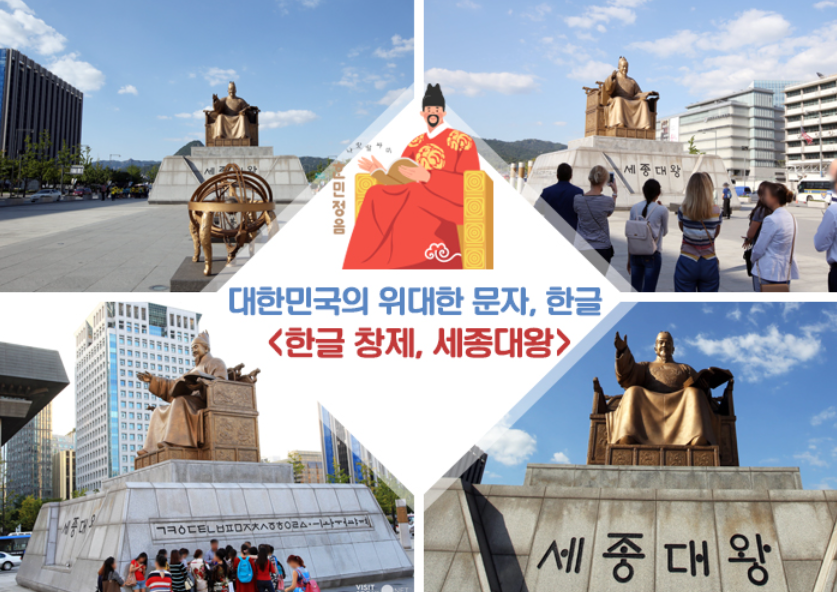
안녕하세요~
오늘은 제597돌을 맞이하는 한글날입니다.
단순히 공휴일 그 이상의 의미를 가지는 한글날입니다.
세종대왕님의 애민정신과 일제의 민족 말살정책을 이겨 낸 우리의 한글! 반드시 지키고 승화시켜 야 합니다.
한글이 오늘날 우리에게 묻고 있습니다. 한글은 부끄러운 언어가 아니라 자랑스러운 언어입니다.
우리의 언어가 사라졌다면 과연 지금의 우리나라가 어떻게 되었을까요? 생각하기도 싫습니다.
동영상 서비스가 종료되어 해당 콘텐츠를 재생할 수 없습니다.
서론: 10월 9일, 우리가 한글을 기리는 이유
매년 10월 9일, 우리는 한글날을 기념합니다. 이날은 단순히 달력에 표시된 공휴일을 넘어, 우리 민족의 정체성과 자부심이 담긴 위대한 문자, 한글의 탄생을 축하하는 날입니다. 하지만 오늘날 우리가 당연하게 여기는 10월 9일이라는 날짜와 공휴일의 지위는 수많은 우여곡절과 선조들의 굳건한 의지 속에서 비로소 자리 잡게 되었습니다. 한글날의 역사는 그 자체로 일제강점기의 암흑기부터 오늘에 이르기까지 우리 민족이 자신의 역사와 문화를 되찾기 위해 걸어온 험난한 여정을 상징적으로 보여줍니다.
한글날의 시초는 일제강점기였던 1926년으로 거슬러 올라갑니다. 민족정신을 되살리고자 했던 조선어연구회(한글학회의 전신)는 훈민정음 반포 480주년을 기념하여 음력 9월 29일을 기념일로 정하고 ‘가갸날’이라는 이름으로 첫 행사를 열었습니다.1 당시 한글을 ‘가갸글’이라 부르던 것에서 유래한 이름입니다. 이 행사는 우리말과 글을 빼앗으려는 일제에 맞선 문화적 독립운동의 시작이었습니다. 2년 뒤인 1928년, 주시경 선생이 제안한 ‘한글’이라는 이름이 공식화되면서 기념일의 명칭도 ‘한글날’로 바뀌었습니다.1
날짜를 확정하는 과정 또한 순탄치 않았습니다. 처음에는 음력을 기준으로 했으나, 양력으로 환산하는 과정에서 여러 차례 변경되었습니다. 1930년대에는 10월 29일과 10월 28일로 날짜가 바뀌기도 했습니다.3 이 혼란은 1940년, 경북 안동에서 훈민정음의 창제 원리와 용법을 상세히 설명한 『훈민정음 해례본』이 발견되면서 마침내 정리되었습니다. 이 책의 서문에 정인지가 “9월 상순(上澣)”에 책을 펴냈다고 기록한 것을 근거로, 상순의 마지막 날인 음력 9월 10일을 반포일로 삼았고, 이를 양력으로 환산한 날이 바로 10월 9일입니다.3 이처럼 불완전한 기록에 의존해야 했던 상황에서 명확한 1차 사료의 발견을 통해 기념일의 근거를 바로 세운 과정은, 식민 지배로 인해 파편화되었던 우리 역사를 복원하고 문화적 정체성을 확고히 다져나간 여정의 축소판이라 할 수 있습니다.
한글날의 위상 변화는 현대 한국 사회가 문화적 가치와 경제적 발전 사이에서 어떻게 고민해왔는지를 보여줍니다. 광복 후 1949년부터 공휴일로 지정되었던 한글날은, 1991년 경제 발전에 지장을 준다는 이유로 공휴일에서 제외되는 아픔을 겪었습니다.3 그러나 한글의 가치를 지키려는 시민 사회의 끊임없는 노력 덕분에 2005년 국경일로 격상되었고, 마침내 2013년부터 다시 공휴일로 지정되어 오늘에 이르고 있습니다.3 이는 경제 성장만이 국가 발전의 유일한 척도가 아니며, 문화적 정체성이야말로 국가의 근간을 이루는 핵심 자산이라는 사회적 합의가 이루어졌음을 의미합니다.
세상에서 가장 과학적인 문자, 한글의 탄생
한글은 세계의 수많은 문자 중에서도 그 창제자와 창제 원리, 반포일이 명확하게 기록된 유일무이한 문자입니다.7 그 바탕에는 백성을 극진히 사랑했던 세종대왕의 애민정신(愛民精神)과 당대 최고의 학문이 집약된 과학적, 철학적 원리가 자리 잡고 있습니다.
애민정신: 모든 백성을 위한 글자
세종대왕이 한글을 창제한 근본적인 이유는 소통의 장벽을 허물기 위함이었습니다. 당시 지배층은 어려운 한자를 독점하며 지식과 권력을 유지했지만, 대다수 백성은 글을 몰라 억울한 일을 당해도 호소할 길이 막막했습니다.8 이를 안타깝게 여긴 세종대왕은 “나라의 말이 중국과 달라 문자와 서로 통하지 아니하므로” 모든 백성이 “쉽게 익혀 날마다 쓰는 데 편안하게 하고자 할 따름이니라”라며 훈민정음, 즉 ‘백성을 가르치는 바른 소리’를 만들었습니다.1 이는 지식과 정보의 민주화를 통해 모든 백성이 자신의 생각을 자유롭게 표현하는 사회를 꿈꾼 위대한 개혁이었습니다. 어려운 한자를 통해서만 유지되던 지배계급의 지식 독점에 맞서, 배우기 쉬운 문자를 보급함으로써 정보 접근의 권리를 만인에게 돌려주려 한 것입니다. 따라서 한글 창제는 단순한 문자 개발을 넘어, 백성을 나라의 근본으로 삼는 왕도정치를 실현하려는 혁명적인 사회·정치적 선언이었습니다.
과학과 철학의 결정체: 한글의 창제 원리
한글의 우수성은 최소한의 기본자를 만들어 이를 체계적으로 확장해 나간 제자(制字) 원리에서 빛을 발합니다. 이는 당시의 최첨단 음성학과 동아시아의 깊은 철학이 완벽하게 결합한 결과물입니다.
1. 발음기관을 본뜬 자음 (발음기관 상형의 원리)
한글의 자음은 소리를 내는 발음기관의 모양을 정밀하게 분석하여 디자인되었습니다.8 이는 현대 음성학의 관점에서도 매우 놀라운 접근법입니다.
· 기본자 5개:
o ㄱ (아음, 어금닛소리): 혀뿌리가 목구멍을 막는 모양
o ㄴ (설음, 혓소리): 혀끝이 윗잇몸에 닿는 모양
o ㅁ (순음, 입술소리): 입의 모양
o ㅅ (치음, 잇소리): 이의 모양
o ㅇ (후음, 목구멍소리): 목구멍의 모양
이 5개의 기본자에 획을 더하여 소리의 세기가 강해지는 것을 시각적으로 표현했습니다. 예를 들어, ‘ㄴ’에 획을 더해 ‘ㄷ’을 만들고, 여기에 다시 획을 더해 ‘ㅌ’을 만드는 방식입니다 (ㄴ → ㄷ → ㅌ).8 이처럼 소리의 원리에 따라 문자의 형태가 체계적으로 만들어졌기 때문에 누구나 직관적으로 이해하고 쉽게 배울 수 있습니다.
2. 천지자연을 담은 모음 (천지인 삼재 사상)
모음은 동양 철학의 핵심인 천(天), 지(地), 인(人) 사상을 바탕으로 만들어졌습니다.10 이는 한글이 단순한 소리 기호를 넘어, 우주 만물의 조화를 담아낸 철학적 시스템임을 보여줍니다.
· 기본자 3개:
o ㆍ (아래아): 둥근 하늘(天)의 모양
o ㅡ : 평평한 땅(地)의 모양
o ㅣ : 서 있는 사람(人)의 모양
다른 모든 모음은 이 세 가지 기본자를 조합하여 만들어졌습니다. 예를 들어, 하늘(ㆍ)과 땅(ㅡ)이 만나 ‘ㅗ’와 ‘ㅜ’가 되고, 사람(ㅣ)과 하늘(ㆍ)이 만나 ‘ㅏ’와 ‘ㅓ’가 되는 식입니다.8 나아가 양성 모음(ㅏ, ㅗ)과 음성 모음(ㅓ, ㅜ)의 구분을 통해 언어의 조화까지 고려한 설계는 한글의 정교함을 더합니다.11
이처럼 한글은 과학적 관찰에 기반한 자음과 철학적 세계관에 기반한 모음이 유기적으로 결합된 문자 체계입니다. 이는 세종 시대의 지식인들이 과학과 철학을 분리된 학문이 아닌, 세상을 이해하고 표현하는 통합된 도구로 인식했음을 보여주는 증거입니다. 정인지가 해례본 서문에서 “바람 소리, 학의 울음소리, 닭 우는 소리, 개 짖는 소리라도 모두 표현해 적을 수 있다”고 자신한 것은 이러한 과학적, 철학적 완성도에 대한 자부심의 표현이었습니다.11
수난의 역사 속에서 지켜낸 우리말과 글
오늘날 우리가 자유롭게 사용하는 한글은 거저 주어진 것이 아닙니다. 민족의 정신을 말살하려 했던 일제강점기의 혹독한 탄압 속에서, 수많은 선각자가 목숨을 걸고 지켜낸 피와 땀의 결실입니다.
민족 말살 정책과 우리말의 위기
1930년대 후반, 중일전쟁과 태평양전쟁을 일으킨 일제는 우리 민족을 전쟁에 동원하기 위해 민족 말살 정책을 극단으로 밀어붙였습니다.13 그 핵심은 우리말과 글을 없애고 일본어를 강요하는 것이었습니다. 학교에서는 조선어 교육이 폐지되고 일본어만이 ‘국어’로 강요되었습니다.15 공공장소는 물론, 강제징용으로 끌려간 탄광에서조차 조선말을 사용하면 배급을 줄이는 등 비인간적인 처벌이 가해졌습니다.13 1940년대에 이르러서는 모든 한글 신문과 잡지가 강제 폐간되었고 15, 창씨개명을 통해 우리의 이름마저 일본식으로 바꿔야 했습니다. 언어는 한 민족의 혼입니다. 일제는 우리말을 빼앗음으로써 민족의 혼을 빼앗고, 한국인을 일본 제국의 충성스러운 ‘황국신민’으로 만들려 했던 것입니다.
조선어학회, 언어 독립을 위한 투쟁
이러한 암흑기 속에서 우리말과 글을 지키기 위한 필사적인 노력이 있었습니다. 그 중심에는 주시경 선생의 제자들이 주축이 된 조선어학회가 있었습니다.15 이들은 언젠가 되찾을 조국의 미래를 준비하며, 사라져 가는 우리말을 체계적으로 정리하고 보존하는 일에 모든 것을 바쳤습니다.
조선어학회의 가장 위대한 업적은 ‘우리말 큰사전’ 편찬 사업이었습니다.15 이는 단순히 단어를 모으는 작업이 아니었습니다. 나라가 사라진 상황에서, 언어라는 형태로 국가의 기틀을 다시 세우는 ‘문화적 국가 재건 사업’이었습니다. 사전의 머리말에는 “조선말은 우리 겨레가 반만 년 역사적 생활에서 문화 활동의 말미암던 길이요, 연장이요, 또 그 결과이다. … 우리말은 곧 우리 겨레가 가진 정신적 및 물질적 재산의 총 목록”이라는 비장한 각오가 담겨 있습니다.15 국가의 주권이 없을 때, 표준화된 언어와 사전은 미래 독립 국가가 사용할 교육, 행정, 문화의 기반이 됩니다. 학자들은 일제의 감시를 피해 전국을 돌며 방언을 수집하고 단어의 뜻을 정리하며, 훗날 온전한 국가로 바로 설 수 있는 언어적 인프라를 구축하고 있었던 것입니다.
그러나 이 위대한 사업은 일제의 야만적인 탄압에 부딪혔습니다. 1942년, 일제는 함흥의 한 여학생이 우리말로 대화했다는 것을 빌미로 ‘치안유지법 위반’ 혐의를 날조하여 조선어학회 회원들을 대대적으로 검거했습니다. 이것이 바로 **‘조선어학회 사건’**입니다.17 이극로, 최현배 등 33인의 학자들이 체포되어 혹독한 고문을 당했고, 이 과정에서 이윤재, 한징 선생은 옥중에서 순국하셨습니다.17 일제는 학자들의 사전 편찬 활동을 단순한 학술 연구가 아닌, 민족의식을 고취하는 독립운동으로 규정하고 이를 뿌리 뽑으려 했습니다. 그리고 그들의 판단은 정확했습니다. 우리말을 지키는 것은 곧 나라의 독립을 지키는 것이었기 때문입니다. 이 사건은 우리말과 글을 지키는 것이 얼마나 치열한 투쟁이었는지를, 그리고 언어가 민족의 생존과 주권에 얼마나 깊이 연결되어 있는지를 피로써 증명한 역사입니다.
오늘날 한글의 위상: 무분별한 외국어 사용의 그늘
일제강점기 선조들이 목숨 바쳐 지켜낸 우리말과 글은 오늘날 새로운 도전에 직면해 있습니다. 외부의 강압이 아닌, 우리 내부의 무분별한 외국어 남용이 한글의 가치를 위협하고 있기 때문입니다.
일상에 깊숙이 파고든 외국어
오늘날 우리 주변을 둘러보면 국적 불명의 외국어 표현이 넘쳐납니다. 아파트 이름은 ‘○○포레샤인’, ‘○○레이크아레나파크센트럴’처럼 영어와 프랑스어를 조합한 형태가 일반화되었고, 거리의 간판 역시 ‘까사델라루체’, ‘앤제리너스’ 등 외국어로 가득합니다.19 방송이나 스포츠 중계에서는 ‘윈(win)’이나 ‘밸런스(balance)’처럼 ‘승리’, ‘균형’이라는 명확한 우리말 대체어가 있음에도 굳이 외국어를 사용하는 경우가 흔합니다.19 국립국어원의 조사에 따르면 신문, 잡지 등에서 사용된 외래어는 한자어의 두 배를 훌쩍 넘었으며 21, 국민들이 외래어를 접하는 비율은 1년 사이에 41.3%나 급증한 것으로 나타났습니다.22
물론, ‘컴퓨터’나 ‘택시’처럼 우리말에 없는 새로운 개념을 표현하기 위한 외래어(外來語)의 사용은 불가피합니다. 그러나 문제는 우리말로 충분히 표현할 수 있는 상황에서조차 불필요하게 외국어(外國語)를 남용하는 현상입니다.19 이러한 현상은 세계화 시대에 영어가 가진 실용적 가치를 넘어, 외국어 사용을 더 세련되고 유능한 것으로 여기는 문화적 사대주의와 무관하지 않습니다. 이는 과거 우리말을 지키기 위해 싸웠던 역사와 정면으로 배치되는 역설적인 상황입니다. 외부의 적으로부터 언어를 지켜냈지만, 이제는 우리 스스로가 그 가치를 훼손하고 있는 것입니다.
소통의 단절과 문화적 정체성의 위기
무분별한 외국어 남용은 여러 가지 심각한 문제를 낳습니다. 첫째, 세대 간, 계층 간 소통의 단절을 유발합니다. ‘뇌피셜’, ‘통학러’와 같이 외국어와 결합한 신조어는 특정 세대만 이해할 수 있는 언어가 되어 세대 간의 벽을 높입니다.23 또한, 공공문서나 정책 용어에 어려운 외국어가 남용될 경우, 정보에서 소외되는 국민이 생겨나 사회적 불평등을 심화시킬 수 있습니다.24 실제로 국민의 과반수(57.9%)는 공문서에서 외국어 대신 쉬운 우리말을 사용하길 선호하는 것으로 나타났습니다.22
둘째, 우리말 고유의 풍부한 표현력과 아름다움을 잃게 만듭니다. 예를 들어, 우리말은 ‘노랗다’라는 색을 ‘노릇노릇하다’, ‘노르스름하다’, ‘누렇다’, ‘누리끼리하다’ 등 미묘한 차이에 따라 다채롭게 표현할 수 있습니다.7 그러나 이를 단순히 ‘옐로우(yellow)’라는 하나의 단어로 대체하는 순간, 그 안에 담긴 섬세한 감각과 문화적 뉘앙스는 사라지고 맙니다.
이러한 현상이 지속될 경우, 언어의 종속화로 이어질 수 있다는 경고도 나옵니다. 언어 생태계는 자연 생태계와 같아서, 강한 언어가 약한 언어를 지배하고 결국 소멸에 이르게 할 수 있습니다.24 유네스코가 소멸 위기 언어로 지정한 제주어나, 영어에 밀려 거의 사라질 뻔했던 하와이어의 사례는 언어의 상실이 곧 문화와 정체성의 상실로 이어진다는 것을 보여주는 명백한 증거입니다.25 표준 한국어가 당장 소멸할 위기는 아니지만, 불필요한 외국어 남용이 우리말의 고유한 체계와 어휘를 잠식하고 문화적 특수성을 희석시키는 과정의 시작일 수 있다는 점을 경계해야 합니다.
세계의 언어 기념일: 다양성 속의 공존
한글날의 가치를 더 깊이 이해하기 위해 세계의 다른 언어 기념일과 비교해 보는 것은 의미 있는 일입니다. 이러한 비교를 통해 우리는 한글날이 인류 역사상 얼마나 독창적이고 특별한 날인지를 다시 한번 깨닫게 됩니다.
| 기념일 (Commemoration Day) | 날짜 (Date) | 주관 (Organizer) | 제정 유래 및 의미 (Origin and Significance) | 관련 자료 (Source) |
| 한글날 (Hangeul Day) | 10월 9일 | 대한민국 정부 | 1446년 세종대왕의 훈민정음 반포를 기념. 백성을 위한 문자의 창제를 축하. (Commemorates King Sejong's 1446 promulgation of Hunminjeongeum. Celebrates the creation of a script for the people.) | 1 |
| UN 영어의 날 (UN English Day) | 4월 23일 | UN | 영문학의 거장 윌리엄 셰익스피어의 탄생 및 사망일을 기념. 언어의 문화적 성취를 기림. (Commemorates the birth and death of William Shakespeare, a giant of English literature. Honors cultural achievement in the language.) | 27 |
| UN 중국어의 날 (UN Chinese Day) | 4월 20일 | UN | 한자를 창제했다고 전해지는 신화적 인물 창힐을 기리고, 곡우 절기에 맞춤. 언어의 기원과 전통을 기념. (Honors Cangjie, the mythical inventor of Chinese characters, and aligns with the Guyu solar term. Commemorates the origin and tradition of the language.) | 29 |
| 국제 모어의 날 (Int'l Mother Language Day) | 2월 21일 | UNESCO | 1952년 벵골어 사용을 위해 시위하다 희생된 이들을 기림. 언어적 다양성과 모어 사용 권리를 위한 투쟁을 기념. (Honors victims of the 1952 Bengali Language Movement protest. Commemorates the struggle for linguistic diversity and mother tongue rights.) | 31 |
위 표에서 볼 수 있듯, 대부분의 언어 기념일은 특정 인물의 업적을 기리거나, 신화적 기원을 되새기거나, 언어적 권리를 위한 투쟁을 기억하는 데 초점을 맞추고 있습니다. UN 영어의 날은 영어를 만든 사람이 아닌, 영어를 가장 아름답게 사용한 문호 셰익스피어를 기념합니다.27 UN 중국어의 날은 역사적 사실보다는 5,000년 전 한자를 만들었다고 전해지는 신화 속 인물 창힐에 대한 존경을 표합니다.29 유네스코가 제정한 국제 모어의 날은 모국어를 지키기 위해 피를 흘렸던 벵골인들의 희생을 추모하는 날입니다.31
반면, 한글날은 이 모든 것과 구별됩니다. 한글날은 명확한 역사적 기록에 근거하여, 특정 인물(세종대왕)이, 특정 시기(1443년 창제, 1446년 반포)에, 명확한 목적(백성을 위하여)을 가지고 새로운 문자를 창제한 행위 그 자체를 기념하는 세계 유일의 날입니다. 이는 신화나 오랜 진화의 산물이 아닌, 인간의 이성과 숭고한 의지가 만들어낸 위대한 발명을 축하하는 날이라는 점에서 독보적인 가치를 지닙니다.
한편, 모든 나라가 언어 관련 기념일을 가지고 있는 것은 아닙니다. 일본의 경우, ‘문화의 날(文化の日)’이나 ‘건국기념의 날(建国記念の日)’처럼 문화와 국가 정체성을 포괄적으로 기념하는 날은 있지만, 일본어 자체를 위한 특정 기념일은 없습니다.33 ‘이민자의 나라’인 미국은 연방 차원에서 공식 언어를 지정하지 않았으며, 따라서 언어 기념일 또한 존재하지 않습니다.35 이들의 국경일은 독립기념일처럼 정치적 이념을 중심으로 형성되어 있습니다.37 이와 비교할 때, 한글이라는 문자의 탄생을 국가적 축제의 중심으로 삼는 우리의 모습은 언어와 문자가 우리 민족의 정체성 형성에 얼마나 핵심적인 역할을 했는지를 보여줍니다.
결론: 우리 모두가 가꾸어야 할 소중한 자산, 한글
제597돌 한글날을 맞이하며 우리는 한글이 걸어온 길을 되돌아봅니다. 백성을 어엿비 여긴 세종대왕의 마음에서 태어나, 세계가 인정한 과학적 원리로 설계된 위대한 문자. 민족의 혼을 지키려던 선조들의 피와 눈물 속에서 살아남은 강인한 문자. 한글은 단순한 의사소통의 도구를 넘어 우리 민족의 역사와 정신, 그리고 미래가 담긴 소중한 문화유산입니다.
조선어학회 학자들이 목숨을 걸고 지켜낸 우리말과 글의 자유를 오늘날 우리는 온전히 누리고 있습니다. 그러나 그 자유에는 책임이 따릅니다. 과거에는 외부의 억압이 우리말의 가장 큰 위협이었다면, 오늘날에는 우리 자신의 무관심과 무분별한 언어 습관이 그 자리를 대신하고 있습니다. 불필요한 외국어를 남용하고 국적 불명의 신조어를 만들어내는 동안, 우리말 고유의 아름다움은 조금씩 빛을 잃어가고 있습니다.
한글날을 기리는 가장 좋은 방법은 우리말을 더 깊이 사랑하고, 더 신중하게 사용하는 것입니다. 세계화 시대에 외국어의 필요성을 부정할 수는 없지만, 우리말의 가치를 먼저 깨닫고 아름다운 우리말을 가꾸어 나가는 균형 잡힌 자세가 필요합니다.38 일상 속에서 불필요한 외국어 대신 정겨운 우리말을 한 번 더 사용하려는 작은 노력이 모일 때, 한글은 더욱 풍요로워질 것입니다.
한글을 사랑하고 발전시켜 나가는 것은 “나라 사랑 실천의 으뜸이고 기본”입니다.1 우리 후손들에게 부끄럽지 않은, 자랑스러운 언어문화를 물려주는 것은 이 시대를 살아가는 우리 모두의 책무입니다. 597번째 생일을 맞은 한글이 앞으로도 세계 속에서 가장 빛나는 문자로 영원히 살아 숨 쉴 수 있도록, 우리 모두가 한글의 든든한 지킴이가 되어야 할 것입니다.
#한글날 #제597돌한글날 #세종대왕 #훈민정음 #우리말사랑 #한국어 #한글의가치 #과학적인문자 #우리말지키기 #언어순화 #외래어 #한글창제 #역사 #자부심
#HangeulDay #KingSejong #Hangeul #KoreanLanguage #KoreanAlphabet #ProudToBeKorean #VisitKorea #KoreanCulture #Linguistics
The 597th Hangeul Day: A Great Heritage—The Yesterday, Today, and Tomorrow of Hangeul
Introduction: October 9th, The Reason We Celebrate Hangeul
Every year on October 9th, we commemorate Hangeul Day. This day is more than just a public holiday marked on the calendar; it is a day to celebrate the birth of Hangeul, the great script that embodies the identity and pride of the Korean people. However, the date of October 9th and its status as a public holiday, which we take for granted today, were established only after numerous trials and the unwavering determination of our ancestors. The history of Hangeul Day itself symbolically represents the arduous journey our nation has taken, from the dark era of Japanese colonial rule to the present, to reclaim its own history and culture.
The origin of Hangeul Day dates back to 1926, during the Japanese colonial period. The Joseon Language Research Society (the predecessor of the Hangeul Society), seeking to revive the national spirit, designated the 29th day of the 9th lunar month as a commemorative day to mark the 480th anniversary of the promulgation of Hunminjeongeum (the original name for Hangeul). They held the first event under the name 'Gagyanal'.1 The name originated from the term 'Gagyageul,' which was a common way to refer to Hangeul at the time. This event marked the beginning of a cultural independence movement against Imperial Japan, which sought to eradicate our language and script. Two years later, in 1928, the name 'Hangeul,' proposed by scholar Ju Si-gyeong, was officially adopted, and the name of the commemorative day was changed to 'Hangeul Day'.1
The process of finalizing the date was also not smooth. Initially based on the lunar calendar, it was changed several times during the conversion to the Gregorian calendar. In the 1930s, the date shifted to October 29th and then to October 28th.3 This confusion was finally resolved in 1940 with the discovery of the Hunminjeongeum Haerye in Andong, Gyeongsangbuk-do. This manuscript provided a detailed explanation of the creation principles and usage of Hangeul. Based on the preface written by Jeong Inji, which stated that the book was published in the "first ten days of the ninth month" (上澣), the last day of that period, the 10th day of the 9th lunar month, was designated as the promulgation day. When converted to the Gregorian calendar, this date is October 9th.3 This process of correcting the basis for the commemorative day—from relying on incomplete records to establishing it on a clear, primary source—is a microcosm of the journey to restore our fragmented history and solidify our cultural identity after colonial rule.
The changing status of Hangeul Day shows how modern Korean society has navigated the tension between cultural values and economic development. Designated as a public holiday in 1949 after liberation, Hangeul Day suffered the pain of being removed from the list of public holidays in 1991, with the rationale that it hindered economic development.3 However, thanks to the relentless efforts of civil society to protect the value of Hangeul, it was elevated to a national day in 2005 and was finally reinstated as a public holiday in 2013, a status it holds to this day.3 This signifies a societal consensus that economic growth is not the sole measure of national development and that cultural identity is a core asset that forms the foundation of the nation.
The Birth of the World's Most Scientific Script, Hangeul
Among the world's many writing systems, Hangeul is unique in that its creator, creation principles, and promulgation date are all clearly documented.7 At its foundation lie the profound love of King Sejong for his people (aemin jeongsin) and the scientific and philosophical principles that represent the pinnacle of scholarship of his time.
Aemin Jeongsin: A Script for All People
The fundamental reason King Sejong created Hangeul was to break down the barrier of communication. At the time, the ruling class monopolized knowledge and power through their exclusive use of complex Chinese characters, while the majority of the common people were illiterate, unable to appeal even when they suffered injustices.8 Feeling sympathy for their plight, King Sejong declared, "The sounds of our country’s language are different from those of China, so they do not match the letters. Therefore, I have created [these letters] so that all people may easily learn them and use them conveniently in their daily lives." He created Hunminjeongeum, or "The Correct Sounds for Instructing the People".1 This was a great reform that dreamed of a society where all people could freely express their thoughts through the democratization of knowledge and information. It was a revolutionary social and political declaration aimed at realizing a government based on the principle that the people are the root of the nation, challenging the ruling class's monopoly on knowledge maintained through difficult-to-learn Chinese characters.
The Pinnacle of Science and Philosophy: The Creation Principles of Hangeul
The excellence of Hangeul shines in its design principle of creating a minimum set of basic letters and systematically expanding upon them. This is the result of a perfect fusion of cutting-edge phonetics of the time and the deep philosophy of East Asia.
1. Consonants Modeled After the Speech Organs (Principle of Articulatory Phonetics)
Hangeul's consonants were designed by precisely analyzing the shapes of the speech organs used to produce sounds.8 This approach is remarkable even from the perspective of modern phonetics.
· Five Basic Letters:
o ㄱ (Velar sound): The shape of the tongue root blocking the throat.
o ㄴ (Alveolar sound): The shape of the tongue tip touching the upper gums.
o ㅁ (Bilabial sound): The shape of the mouth.
o ㅅ (Dental sound): The shape of the teeth.
o ㅇ (Glottal sound): The shape of the throat.
Strokes were added to these five basic letters to visually represent an increase in the intensity of the sound. For example, a stroke was added to 'ㄴ' to create 'ㄷ', and another stroke was added to 'ㄷ' to create 'ㅌ' (ㄴ → ㄷ → ㅌ).8 Because the shapes of the letters were systematically created based on the principles of sound, anyone can intuitively understand and learn them easily.
2. Vowels Embodying Nature (Philosophy of Heaven, Earth, and Humanity)
The vowels were created based on the core of Eastern philosophy: the concept of Heaven (天), Earth (地), and Humanity (人).10 This shows that Hangeul is not just a phonetic symbol but a philosophical system that embodies the harmony of the universe.
· Three Basic Letters:
o ㆍ (arae-a): The shape of the round Heaven (天).
o ㅡ : The shape of the flat Earth (地).
o ㅣ : The shape of a standing Human (人).
All other vowels were created by combining these three basic elements. For instance, Heaven (ㆍ) and Earth (ㅡ) combine to form 'ㅗ' and 'ㅜ', while Human (ㅣ) and Heaven (ㆍ) combine to form 'ㅏ' and 'ㅓ'.8 Furthermore, the design, which even considered linguistic harmony by distinguishing between bright vowels (ㅏ, ㅗ) and dark vowels (ㅓ, ㅜ), adds to the sophistication of Hangeul.11
Thus, Hangeul is a writing system where consonants based on scientific observation and vowels based on a philosophical worldview are organically combined. This is evidence that the intellectuals of King Sejong's era perceived science and philosophy not as separate disciplines but as an integrated tool for understanding and representing the world. Jeong Inji's confident declaration in the Haerye preface that "even the sound of the wind, the cry of a crane, the crowing of a rooster, and the barking of a dog can all be transcribed" was an expression of pride in this scientific and philosophical completeness.11
Our Language and Script, Protected Through a History of Ordeals
The Hangeul we use freely today was not given to us for free. It is the fruit of the blood and sweat of countless pioneers who risked their lives to protect it amidst the harsh oppression of the Japanese colonial period, which sought to annihilate our national spirit.
The Policy of National Annihilation and the Crisis of Our Language
In the late 1930s, Imperial Japan, having initiated the Sino-Japanese War and the Pacific War, pushed its policy of national annihilation to the extreme to mobilize our people for the war effort.13 The core of this policy was to eliminate our language and script and enforce the use of Japanese. In schools, Korean language education was abolished, and only Japanese was enforced as the "national language".15 Inhuman punishments, such as reducing food rations, were imposed for using the Korean language not only in public places but also in the coal mines where people were taken for forced labor.13 By the 1940s, all Hangeul newspapers and magazines were forcibly shut down 15, and we were even forced to change our names to Japanese style through the Changssi-gaemyeong policy. Language is the soul of a nation. By taking away our language, Imperial Japan intended to take away our national soul and turn Koreans into loyal "imperial subjects" of the Japanese Empire.
The Joseon Language Society: A Struggle for Linguistic Independence
In this dark era, there was a desperate struggle to protect our language and script. At its center was the Joseon Language Society, led by the disciples of Ju Si-gyeong.15 They dedicated everything to systematically organizing and preserving our disappearing language, preparing for the future of a motherland that would one day be reclaimed.
The greatest achievement of the Joseon Language Society was the compilation of the 'Great Dictionary of Our Language' (Uri-mal Keun Sajeon).15 This was not merely a task of collecting words. In a situation where the nation had disappeared, it was a 'cultural state-rebuilding project' to re-establish the foundation of the state in the form of language. The preface of the dictionary contains the solemn resolution: "The Korean language is the path, the tool, and the result of the cultural activities of our people throughout their half-a-millennium of historical life... Our language is the complete inventory of the spiritual and material assets of our people".15 When national sovereignty is lost, a standardized language and dictionary become the foundation for the education, administration, and culture of a future independent state. The scholars, evading the surveillance of the Japanese, traveled across the country collecting dialects and defining words, thereby building the linguistic infrastructure that would allow a fully-fledged nation to stand on its own feet.
However, this great endeavor was met with barbaric oppression from Imperial Japan. In 1942, using the pretext that a female student in Hamhung had spoken in Korean, the Japanese authorities fabricated charges of violating the 'Public Order and Security Law' and arrested members of the Joseon Language Society on a massive scale. This is known as the 'Joseon Language Society Incident'.17 Thirty-three scholars, including Lee Geuk-ro and Choi Hyun-bae, were arrested and subjected to brutal torture. In the process, scholars Yi Yun-jae and Han Jing died in prison.17 Imperial Japan defined the scholars' dictionary compilation activities not as mere academic research but as an independence movement that fostered national consciousness and sought to uproot it. And their judgment was correct. Protecting our language was tantamount to protecting the nation's independence. This incident is a history written in blood, proving how fierce the struggle to protect our language and script was, and how deeply language is connected to the survival and sovereignty of a nation.
The State of Hangeul Today: The Shadow of Indiscriminate Foreign Word Usage
Our language and script, which our ancestors protected with their lives during the Japanese colonial period, now face a new challenge. It is not external pressure, but our own indiscriminate overuse of foreign words that threatens the value of Hangeul.
Foreign Words Deeply Embedded in Daily Life
If we look around us today, we are inundated with foreign expressions of unknown origin. Apartment names like '○○ Foreshine' and '○○ Lake Arena Park Central,' which combine English and French, have become commonplace, and street signs are filled with foreign words like 'Casa de la Luce' and 'Angel-in-us'.19 In broadcasting and sports commentary, it is common to use foreign words like 'win' or 'balance' even when clear Korean equivalents like '승리' (seungri) or '균형' (gyunhyeong) exist.19 According to a survey by the National Institute of Korean Language, the number of loanwords used in newspapers and magazines was more than double that of Sino-Korean words 21, and the rate at which the public encounters loanwords increased by a staggering 41.3% in just one year.22
Of course, the use of loanwords (oeraeeo) to express new concepts that do not exist in Korean, such as 'computer' or 'taxi,' is unavoidable. The problem, however, is the phenomenon of unnecessarily overusing foreign words (oegugeo) even when they can be fully expressed in Korean.19 This phenomenon is not unrelated to a form of cultural sycophancy that considers the use of foreign words to be more sophisticated and competent, going beyond the practical value of English in the era of globalization. This is a paradoxical situation that directly contradicts the history of fighting to protect our language. We protected our language from an external enemy, but now we are eroding its value ourselves.
Communication Breakdown and a Crisis of Cultural Identity
The indiscriminate overuse of foreign words creates several serious problems. First, it causes a communication breakdown between generations and social classes. Neologisms combined with foreign words, such as '뇌피셜' (noepisyal, 'brain-fficial') and '통학러' (tonghangneo, 'commuter-er'), become a language understood only by a specific generation, raising the wall between generations.23 Furthermore, if difficult foreign words are overused in public documents or policy terms, it can alienate citizens from information, thereby deepening social inequality.24 In fact, a majority of the public (57.9%) prefers the use of easy Korean words over foreign words in official documents.22
Second, it leads to the loss of the rich expressiveness and beauty unique to the Korean language. For example, the Korean language can express the color 'yellow' in various ways according to subtle differences, such as '노릇노릇하다' (noreut-noreuthada, golden-brown), '노르스름하다' (noreuseureumhada, yellowish), '누렇다' (nureota, deep yellow), and '누리끼리하다' (nurikkirihada, dingy yellow).7 However, the moment these are replaced by the single word 'yellow,' the delicate sensibilities and cultural nuances they contain are lost.
Warnings have been issued that if this phenomenon continues, it could lead to linguistic subordination. The language ecosystem is like a natural ecosystem; a strong language can dominate and eventually lead to the extinction of a weaker one.24 The cases of the Jeju dialect, designated by UNESCO as an endangered language, and the Hawaiian language, which was pushed to the brink of extinction by English, are clear evidence that the loss of a language leads to the loss of culture and identity.25 While standard Korean is not in immediate danger of extinction, we must be wary that the overuse of unnecessary foreign words may be the beginning of a process that erodes the unique system and vocabulary of our language and dilutes our cultural specificity.
The World's Language Commemoration Days: Coexistence in Diversity
To understand the value of Hangeul Day more deeply, it is meaningful to compare it with other language commemoration days around the world. Through this comparison, we can once again realize how unique and special Hangeul Day is in human history.
| Commemoration Day | Date | Organizer | Origin and Significance | Source |
| Hangeul Day | October 9 | South Korean Gov't | Commemorates King Sejong's 1446 promulgation of Hunminjeongeum. Celebrates the creation of a script for the people. | 1 |
| UN English Day | April 23 | UN | Commemorates the birth and death of William Shakespeare, a giant of English literature. Honors cultural achievement in the language. | 27 |
| UN Chinese Day | April 20 | UN | Honors Cangjie, the mythical inventor of Chinese characters, and aligns with the Guyu solar term. Commemorates the origin and tradition of the language. | 29 |
| Int'l Mother Language Day | February 21 | UNESCO | Honors victims of the 1952 Bengali Language Movement protest. Commemorates the struggle for linguistic diversity and mother tongue rights. | 31 |
As the table above shows, most language commemoration days focus on honoring the achievements of a specific individual, reflecting on a mythological origin, or remembering a struggle for linguistic rights. UN English Day commemorates not the creator of the English language, but William Shakespeare, the literary master who used it most beautifully.27 UN Chinese Day pays homage to Cangjie, a mythical figure said to have created Chinese characters 5,000 years ago, rather than a historical fact.29 International Mother Language Day, established by UNESCO, is a day to mourn the sacrifices of the Bengali people who shed blood to protect their mother tongue.31
In contrast, Hangeul Day is distinct from all of these. It is the only day in the world that commemorates the act of creating a new script itself, based on clear historical records, by a specific person (King Sejong), at a specific time (created in 1443, promulgated in 1446), and for a clear purpose (for the people). It holds a unique value as a day that celebrates a great invention born of human reason and noble will, not a product of myth or long evolution.
Meanwhile, not all countries have a language-related commemorative day. In Japan, there are days that comprehensively celebrate culture and national identity, such as 'Culture Day' (Bunka no Hi) and 'National Foundation Day' (Kenkoku Kinen no Hi), but there is no specific day for the Japanese language itself.33 The United States, a 'nation of immigrants,' has not designated a federal official language, and thus, a language day does not exist.35 Their national holidays are formed around political ideologies, such as Independence Day.37 Compared to these, our practice of making the birth of the script Hangeul the centerpiece of a national festival shows how central language and writing have been to the formation of our national identity.
Conclusion: Hangeul, A Precious Asset We Must All Cultivate
As we celebrate the 597th Hangeul Day, we look back on the path Hangeul has walked. A great script born from the heart of King Sejong, who cherished his people, designed with scientific principles recognized by the world. A resilient script that survived through the blood and tears of our ancestors who sought to protect the nation's soul. Hangeul is more than just a tool for communication; it is a precious cultural heritage that contains our nation's history, spirit, and future.
Today, we fully enjoy the freedom of our language and script, which the scholars of the Joseon Language Society protected with their lives. But with that freedom comes responsibility. In the past, external oppression was the greatest threat to our language; today, our own indifference and indiscriminate language habits have taken its place. While we overuse unnecessary foreign words and create neologisms of unknown origin, the unique beauty of our language is gradually losing its luster.
The best way to honor Hangeul Day is to love our language more deeply and use it more carefully. While we cannot deny the necessity of foreign languages in the era of globalization, a balanced approach is needed, where we first realize the value of our own language and cultivate its beauty.38 When small efforts to use a warm Korean word instead of an unnecessary foreign one in our daily lives come together, Hangeul will become even richer.
Loving and developing Hangeul is the "foremost and most fundamental practice of loving our country".1 It is the duty of all of us living in this era to pass down a proud linguistic culture to our descendants, one we are not ashamed of. So that Hangeul, celebrating its 597th birthday, can continue to live and breathe forever as the most brilliant script in the world, we must all become its steadfast guardians.
참고 자료
1. 참여사진 - 국민광장 - 알림·소식 - 국가보훈부, https://www.mpva.go.kr/mpva/selectBbsNttView.do?key=85&bbsNo=22&nttNo=171586&searchCtgry=&searchCnd=all&searchKrwd=&pageIndex=13&integrDeptCode=
2. 10월 9일 한글날의 역사와 유래 [교육부 국민 서포터즈] - YouTube, , https://www.youtube.com/watch?v=T5uAxbVXdcQ
3. 한글날 - 위키백과, 우리 모두의 백과사전, https://ko.wikipedia.org/wiki/%ED%95%9C%EA%B8%80%EB%82%A0
4. 알고 싶은 한글 :::::::: 한글날이 오늘날과 같이 10월 9일로 정해지게 된 데에도 곡절이 많았다. 세종은 한글을 만드는 작업을 은밀하게 추진했기 때문에, 실록에도 한글 창제와 관련된, https://www.korean.go.kr/hangeul/origin/001.html
5. 한글날 - 나무위키:대문, https://namu.wiki/w/%ED%95%9C%EA%B8%80%EB%82%A0
6. 한글날 - 한국민족문화대백과사전, https://encykorea.aks.ac.kr/Article/E0061511
7. 한글이 우수한 열두 가지 까닭 - 우리문화신문,
https://www.koya-culture.com/news/article.html?no=139292
8. 한글 창제 정신과 원리 - 뉴욕한국문화원https://kr.koreanculture.org/education-literature/2024/04/07/hangeul
10. 세종대왕의 애민정신이 깃든 위대한 유산'한글'은 어떤 원리로 만들어 만들었을까? https://www.hangeul.go.kr/webzine/202010/sub1_3.html
11. 지(知)의 혁명 - -한글 창제의 원리와 우수성, , https://museum.lh.or.kr/file/fileDownload.do?file_physical=202252923212802.pdf
12. 학문적인의미에서바라본한글의우수성, https://www.arko.or.kr/zine/artspaper2003_10/032.pdf
13. 5. 민족 문화 수호 운동 - 우리역사넷, https://contents.history.go.kr/mobile/ta/view.do?levelId=ta_m62_0070_0050
14. 일제강점기(日帝强占期) - 한국민족문화대백과사전, https://encykorea.aks.ac.kr/Article/E0047318
15. 4. 민족 문화 수호 운동 - 우리역사넷 - 국사편찬위원회, https://contents.history.go.kr/mobile/ta/view.do?levelId=ta_m52_0050_0040
16. 22. 한글, 일제강점기 때는 이렇게 수난 당했다, http://www.hgmu.org/bbs/board9/46054
17. 조선어학회 수난 사건 80돌 - Dubuplus, https://waf-e.dubuplus.com/hangeulzip.dubuplus.com/hangeulzip@gmail.com/O18C1S1/DubuDisk/public/%ED%95%9C%EA%B8%80%EC%83%88%EC%86%8C%EC%8B%9D%20PDF/hs602.pdf
18. 조선어학회 사건(朝鮮語學會 事件) - 한국민족문화대백과사전, https://encykorea.aks.ac.kr/Article/E0052129
19. 우리말이 보이지 않아요, 여기가 한국인가요?, , https://news.knsu.ac.kr/news/articleView.html?idxno=1070
20. '위'만 보다가 색깔은 사라지고 컬러만 남아 - 인문360, https://inmun360.culture.go.kr/content/357.do?mode=view&cid=2367907
21. 외래어ㆍ외국어 사용 실태 조사 - 성과 | 국립국어원, https://www.korean.go.kr/niklintro2/20years05_03_03.jsp
22. 외래어 접촉 비율 1년 사이 41.3%p 상승…인지도 1위 외래어 '힐링' - 뉴시스, https://mobile.newsis.com/view/NISX20241008_0002913479
23. 현대 한국어의 오용 사례 분석과 개선 방안 - 해피캠퍼스, https://www.happycampus.com/aiWrite/topicWiki/74819
24. [경향신문] 선 넘는 외국어, 여기가 대한민'쿡'인가요? - 2022.09.17, , https://www.urimal.org/4054
25. 소멸위기 언어, 외국의 사례는 어떤가? - 컬처제주, http://www.culturejeju.kr/news/articleView.html?idxno=387
26. 소멸위기 언어 보존 사례 분석을 통한 제주어(제주방언) 보전 방안, http://jst.re.kr/upload/pdf/RC00000550.pdf
27. English Language Day - the United Nations, https://www.un.org/en/observances/english-language-day
28. English Language Day | LearnEnglish, https://learnenglish.britishcouncil.org/general-english/magazine-zone/english-language-day
29. International Arabic Language Day - The Postal History of ICAO, https://applications.icao.int/postalhistory/the_international_language_days.htm
30. 联合国中文日- Chinese Language Day | 联合国 - the United Nations, https://www.un.org/zh/observances/chinese-language-day/english
31. 国際母語デー / International Mother Language Day - The Meehan Group, https://meehanjapan.com/2025/02/21/blog246/
32. 国際母語デー(2月21日)|意味や由来・広報PRに活用する https://prtimes.jp/magazine/today/international-mother-language-day/
33. 건국기념의 날 - 위키백과, 우리 모두의백과사전https://ko.wikipedia.org/wiki/%EA%B1%B4%EA%B5%AD%EA%B8%B0%EB%85%90%EC%9D%98_%EB%82%A0
34. 일본의 국경일 - 대사관 안내, https://www.kr.emb-japan.go.jp/em/dsk_off_national.html
35. 건국 249년만에 '영어가 美 공용어' 첫 행정명령 - 동아일보, https://www.donga.com/news/Inter/article/all/20250302/131131579/2
36. 미국 - 위키백과, 우리 모두의 백과사전, https://ko.wikipedia.org/wiki/%EB%AF%B8%EA%B5%AD
37. 独立日致辞- 美国驻华大使馆和领事馆, https://china.usembassy-china.org.cn/zh/ambassador-nicholas-burns-remarks-on-independence-day/
38. 무분별한 영어 사용, 인천예일고의 우영우 프로젝트 | 학생 시민 기자단, https://hbm.ice.go.kr/news/na/ntt/selectNttInfo.do?nttSn=3301792&mi=11106
'우리들의 AI 윤리 이야기 > 기억의 윤리' 카테고리의 다른 글
| 1950년 12월 흥남철수작전 기록: 메러디스 빅토리호의 항해 (0) | 2025.12.15 |
|---|---|
| 11월 11일 11시, 당신의 1분은 어디를 향하고 있습니까? (1) | 2025.11.08 |
| 광복군 창설 85주년 - 30명이 시작한 자주독립의 꿈 (0) | 2025.09.17 |
| 작전명령 제174호 '장사상륙작전'과 '772명의 학도병 이야기 (5) | 2025.09.16 |
| 인천상륙작전의 기적, 그 뒤에 숨겨진 영웅들의 이야기 (0) | 2025.09.15 |


